
mirror glass for sale
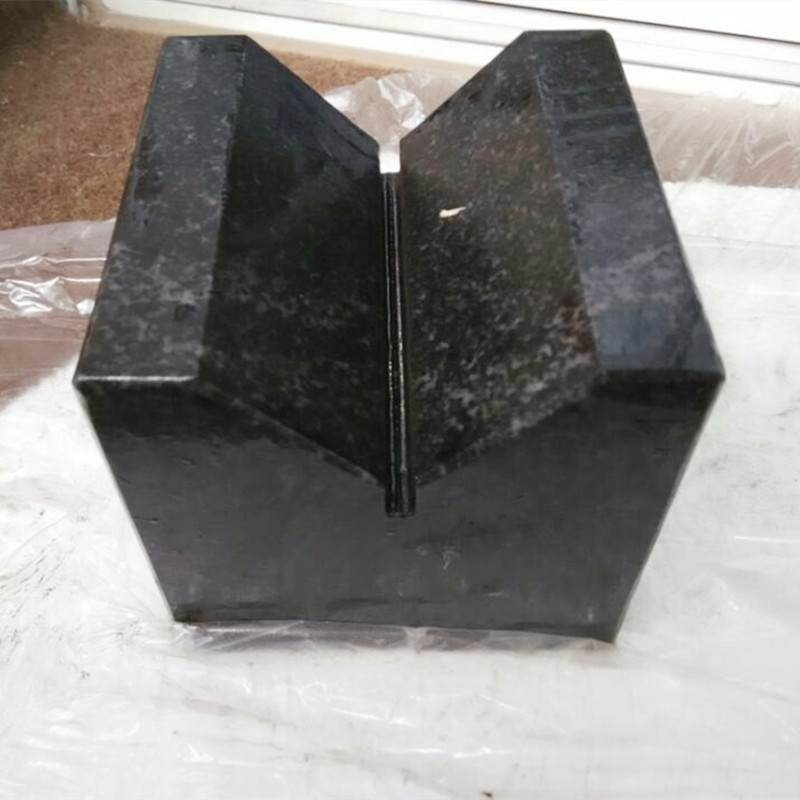
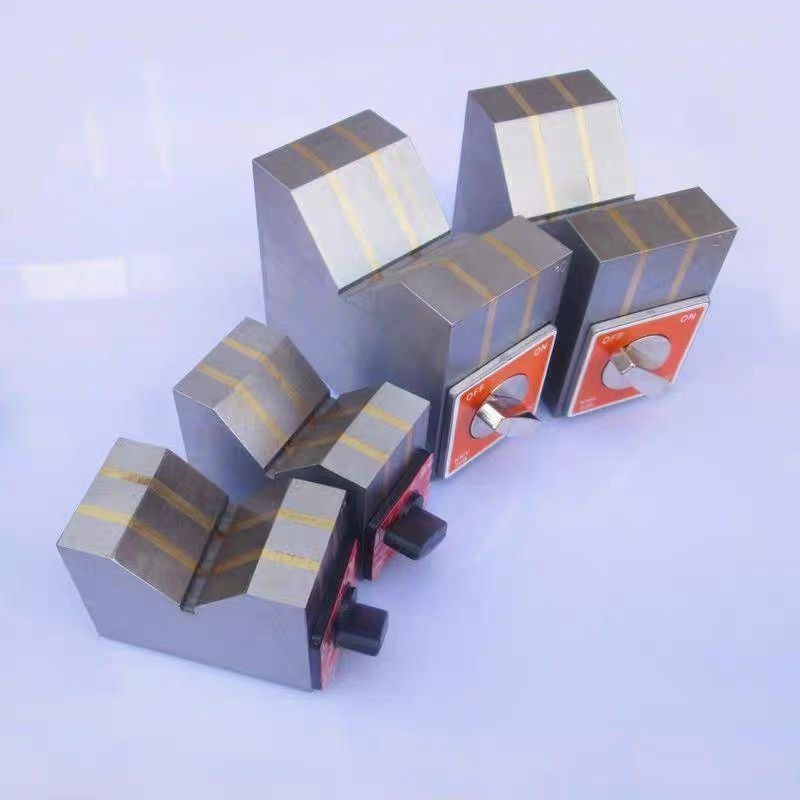
The Versatility and Precision of Ultra Magnetic V Blocks In the realm of machining and metalworking, accuracy is paramount. Tools that can hold workpieces securely and precisely are crucial for producing high-quality components. Among these tools, ultra magnetic V blocks have emerged as essential fixtures in workshops and production facilities. These blocks not only provide stability and support for various operations but also ensure unparalleled precision in workpiece alignment. The Versatility and Precision of Ultra Magnetic V Blocks One of the most significant advantages of using ultra magnetic V blocks is their ability to hold workpieces at different angles. With the right setup, operators can easily adjust the block to achieve the desired orientation, making it particularly useful for tasks such as drilling, grinding, and inspection. The inherent versatility of these blocks makes them suitable for a wide range of applications across various industries, from manufacturing and automotive to aerospace and construction. ultra magnetic v block In addition to their versatility, ultra magnetic V blocks are known for their precision. The strong magnetic field ensures that workpieces remain firmly in place, reducing the likelihood of errors caused by movement or slippage. This reliability is crucial, especially in high-precision environments where even the slightest misalignment can lead to costly mistakes. Moreover, many ultra magnetic V blocks offer adjustable features, allowing users to fine-tune their setup for optimal performance. Another critical aspect of ultra magnetic V blocks is their durability. Constructed from high-quality materials, these blocks can withstand the rigors of daily use in demanding work environments. Their robust design ensures that they maintain their magnetic strength over time, even after repeated use. This longevity makes them a cost-effective investment for businesses seeking to enhance their machining capabilities without frequently replacing tools. Furthermore, ultra magnetic V blocks contribute to an organized work environment. By securely holding workpieces, they allow for a clutter-free workspace where operators can focus on their tasks without the distraction of unstable components. This organization not only boosts efficiency but also contributes to safety, as it reduces the risk of accidents caused by loose or poorly secured materials. In conclusion, ultra magnetic V blocks are indispensable tools in the machining and metalworking industries. Their unique design, combining the stability of V-shaped grooves with powerful magnetic properties, offers unmatched precision and versatility. As industries continue to evolve and demand higher accuracy, the significance of such tools will only increase. Investing in ultra magnetic V blocks can lead to improved operational efficiency, reduced errors, and ultimately, a better-quality end product.
about
mirror glass for sale
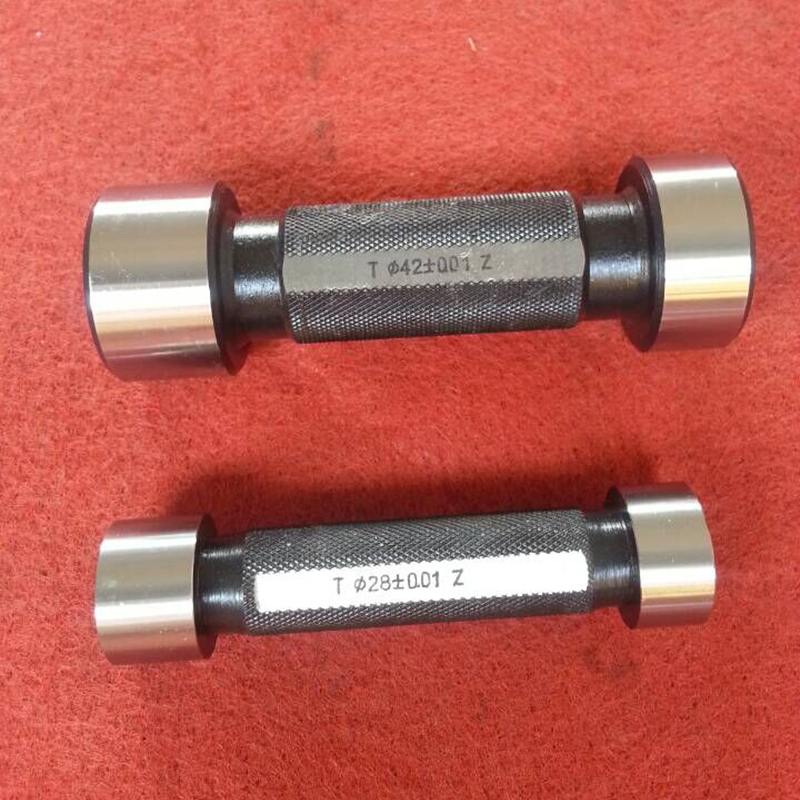
Understanding Gauge Pin Class A Key Component in Manufacturing Precision In the world of manufacturing and engineering, precision is paramount. One of the essential tools that help engineers and machinists ensure their workpieces meet tight tolerances is the gauge pin. Specifically, gauge pins come in various classes, each designed for specific measurement needs. This article delves into the concept of gauge pin classes, their importance, and how they contribute to quality assurance in manufacturing processes. What is a Gauge Pin? A gauge pin is a cylindrical tool used to check the dimensions of holes and slots in machined parts. They are often manufactured to strict tolerances and can be both go and no-go types. A go gauge pin will fit into the hole if it meets the specified dimensions, while a no-go pin will not fit if the dimensions are correct. This binary measure is crucial in ensuring that parts meet the required specifications for functionality, particularly in high-precision fields like aerospace, automotive, and medical device manufacturing. Classes of Gauge Pins Gauge pins are categorized into classes based on their tolerance levels, which dictate their application. The most commonly referenced classes include 1. Class A (Commercial Grade) This class of gauge pins offers general-purpose usability and is typically used in environments where high precision is not critical. They are less expensive than higher-class pins and are suitable for standard applications, such as basic assembly checks. 2. Class B (Precision Grade) Offering tighter tolerances than Class A, Class B gauge pins are used in applications where moderate precision is needed. They strike a balance between cost and accuracy, making them a popular choice for various machining and inspection tasks. 3. Class C (High Precision Grade) These gauge pins exhibit the tightest tolerances and are used in situations where absolute precision is critical. Class C gauge pins are often employed in high-stakes environments, including aerospace and medical applications, where even the slightest deviation can have severe consequences. gauge pin class The classification of gauge pins is vital in determining their applicability in different scenarios. Engineers and quality control professionals must select the appropriate class to ensure product reliability and compliance with engineering specifications. Importance of Gauge Pin Classes in Manufacturing The use of gauge pins in manufacturing cannot be overstated. They play a crucial role in quality control and assurance processes. Here's why selecting the right class is important - Accuracy Different classes of gauge pins allow manufacturers to achieve varying degrees of accuracy. Using a gauge pin with inappropriate tolerances can lead to faulty measurements, resulting in defective products. - Cost-Efficiency By choosing the right class of gauge pins for specific tasks, manufacturers can optimize costs. Using a Class A pin for non-critical applications prevents unnecessary spending on high-precision tools when they are not needed. - Process Improvement Incorporating gauge pins into the manufacturing process improves the overall reliability of the product. Regular checks using the right class of gauge pins can identify issues early, reducing waste, rework, and production time. - Compliance and Standards Many industries are subject to stringent regulatory standards. Using gauge pins that conform to specific classes ensures that manufacturers meet these standards, thereby enhancing product safety and performance. Conclusion In conclusion, gauge pins are an indispensable tool in the manufacturing industry, providing a straightforward means of ensuring dimensional accuracy. By understanding gauge pin classes, engineers and quality control professionals can make informed choices that enhance precision and maintain high standards of quality. As industries continue to evolve and demand ever-higher levels of precision, the role of gauge pins in manufacturing will only grow more critical, underscoring the importance of their classification and application in ensuring successful outcomes.
-

High quality industrial productsagement

High quality industrial products
View Details -

Meet the diverse needs of customers

Meet the diverse needs of customers
View Details -

Strict quality control

Strict quality control
View Details -

Top raw materials

Top raw materials
View Details -

Trusted supplier

Trusted supplier
View Details
Our application


news and information
Vanne de porte d'étanchéité douce électrique
Les vannes à guillotine de 14 pouces une solution robuste pour les systèmes complexes Lorsqu'il s'a
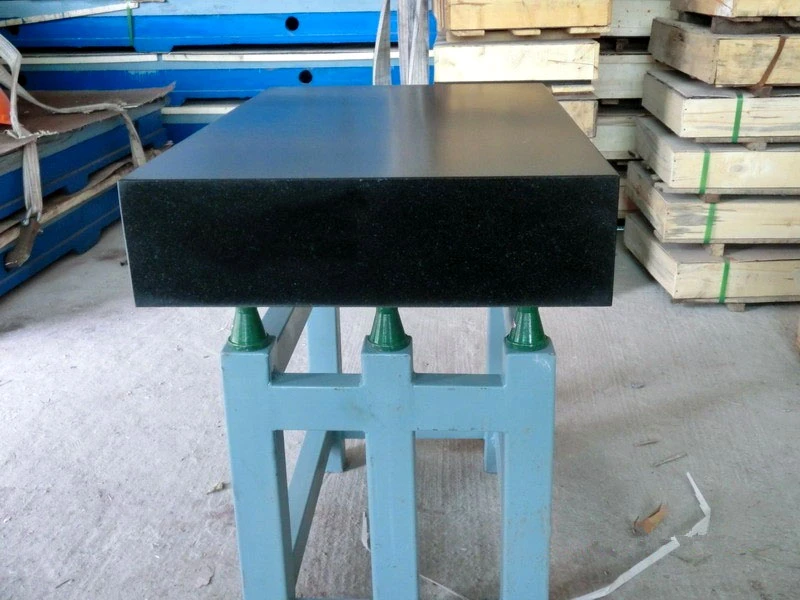
Versatile Large Metal Strainer for Efficient Kitchen Tasks and Food Preparation Needs
The Benefits and Versatility of Large Metal Strainers In the culinary world, the tools we use can si
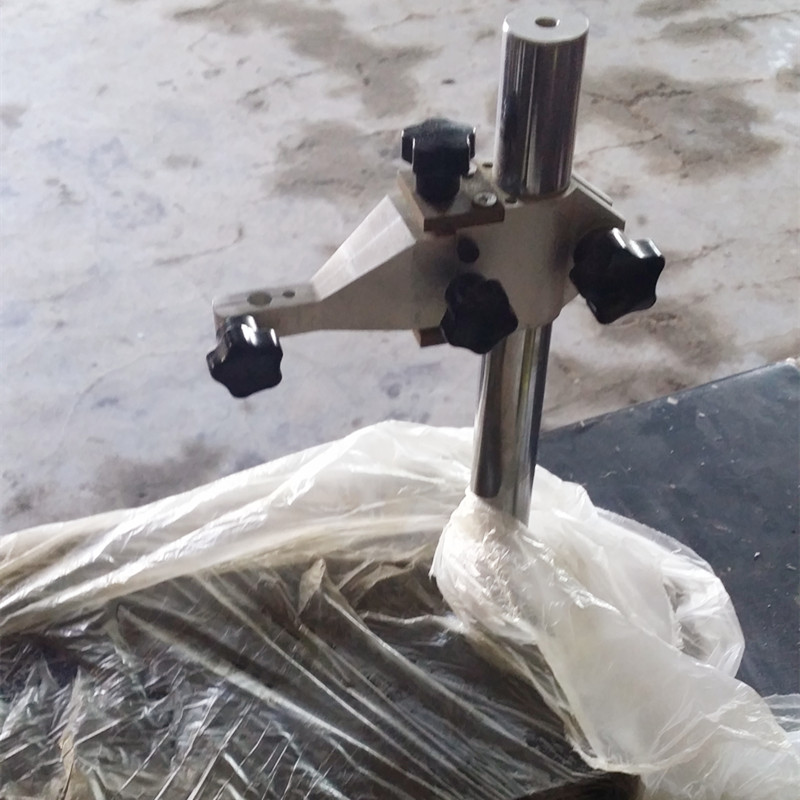
Y Type Strainer Featuring Convenient Drain Valve for Efficient Fluid Filtration
Understanding Y-Type Strainers with Drain Valves In industrial settings, efficient fluid management
 English